Perimenopause and Insulin Resistance: What Is the Connection?
October 26, 2026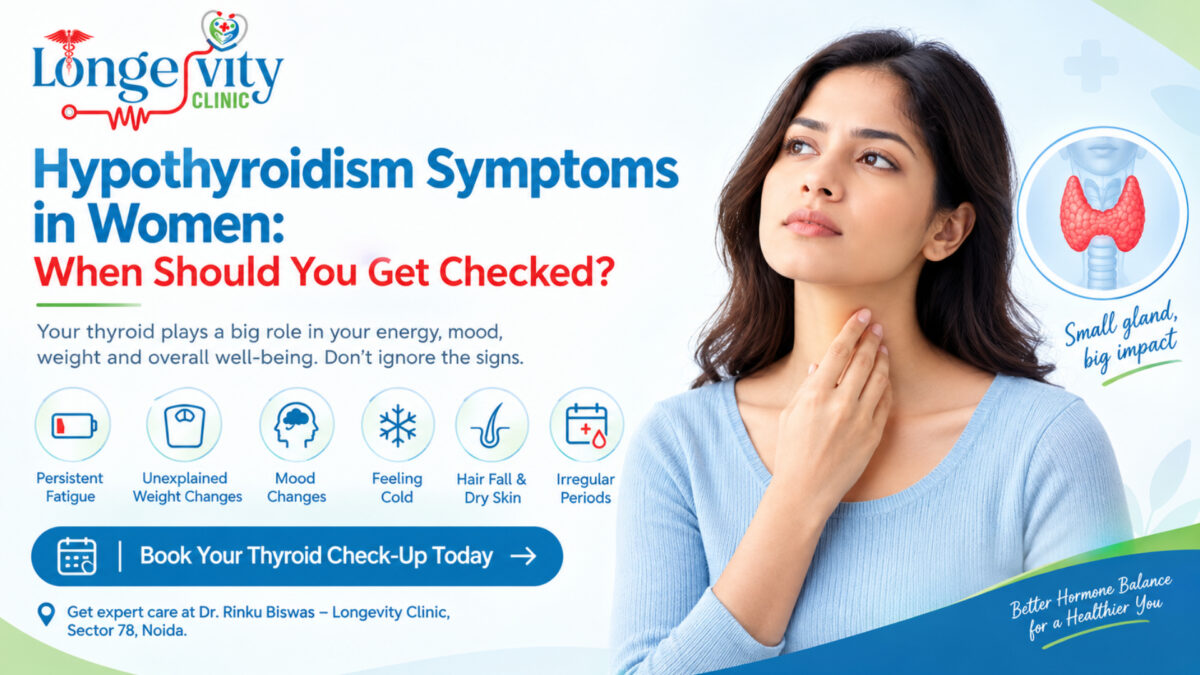
Persistent fatigue, unexplained weight gain, dry skin, or heavier periods may make you wonder whether your thyroid is working properly. These symptoms can occur with hypothyroidism, also known as an under active thyroid, but they can have other causes.
Common hypothyroidism symptoms in women include fatigue, sensitivity to cold, constipation, dry skin, hair thinning, low mood, and menstrual changes. Symptoms often develop gradually, and not every woman experiences the same combination. A thyroid blood test, usually starting with thyroid-stimulating hormone (TSH) and followed by free thyroxine (free T4) when appropriate, helps assess thyroid function. Symptoms alone cannot confirm the diagnosis.
Understanding the possible symptoms, when to seek medical advice, and how thyroid tests are interpreted can help you make informed decisions without unnecessary worry.
What Is Hypothyroidism?
The thyroid is a small, butterfly-shaped gland at the front of the neck. It produces hormones, including thyroxine (T4) and triiodothyronine (T3), which help regulate how the body uses energy and support normal organ function.
Hypothyroidism occurs when the thyroid does not produce enough hormone to meet the body’s needs. A common cause is Hashimoto’s thyroiditis, an autoimmune condition. Other causes include thyroid surgery, certain treatments, and some medicines.
Common Hypothyroidism Symptoms in Women
Persistent fatigue and low energy
An under active thyroid can cause ongoing tiredness, sluggishness, or reduced energy. However, fatigue is also associated with sleep problems, anemia, stress, and other conditions.
Unexplained weight changes
Some people with hypothyroidism gain weight, but the amount varies. Weight changes have many possible causes and should not automatically be attributed to thyroid dysfunction.
Feeling unusually cold
People with hypothyroidism may feel colder than others in the same environment because thyroid hormones help regulate energy use and body temperature.
Constipation and digestive changes
Persistent constipation can occur with an under active thyroid. Diet, hydration, medicines, activity levels, and digestive conditions can also affect bowel habits.
Dry skin and hair thinning
Dry skin, coarse hair, and hair thinning can accompany hypothyroidism. These symptoms are not specific to thyroid disease and may also be associated with iron deficiency, nutritional issues, or other hormonal changes.
Mood and concentration changes
Some people experience low mood, forgetfulness, or difficulty concentrating. If these symptoms persist, a clinician can help assess whether thyroid dysfunction or another condition may be contributing.
Muscle aches and a hoarse voice
Muscle stiffness, aches, weakness, and voice changes may occur in some people with hypothyroidism. Persistent or progressive symptoms warrant medical assessment.
How Can Hypothyroidism Affect Periods and Fertility?
Thyroid hormones interact with systems involved in reproductive function. Abnormal thyroid function can contribute to heavy or irregular menstrual bleeding and may be relevant when evaluating fertility concerns.
Do not assume that menstrual changes are simply due to perimenopause. Pregnancy, thyroid dysfunction, medication effects, and other reproductive health conditions may need to be considered.
Seek medical advice for unusually heavy bleeding, bleeding after menopause, or bleeding accompanied by significant pain, faintness, or weakness. Women who are pregnant, planning pregnancy, or have recently given birth should mention this when discussing thyroid symptoms because testing and treatment may require closer monitoring.
When Should You Get Checked for Hypothyroidism?
Consider booking a medical appointment if you experience persistent or worsening symptoms, particularly when several occur together:
- Fatigue that does not improve despite adequate rest.
- Ongoing cold sensitivity, constipation, or dry skin.
- Unexplained weight changes alongside other possible thyroid symptoms.
- Heavy or irregular menstrual periods without a clear explanation.
- Persistent concentration or mood difficulties.
- A personal or family history of thyroid disease.
- New symptoms after pregnancy or concerns about thyroid health while planning pregnancy.
A clinician will review your medical history and symptoms and decide whether thyroid testing is appropriate. Not every woman with fatigue or weight gain needs a complete thyroid panel.
Which thyroid blood tests would you suggest?
TSH: the usual starting point
The pituitary gland produces TSH and TSH signals the thyroid to make hormones. Clinicians commonly use TSH testing as the first blood test when primary hypothyroidism is suspected.
A clinician should interpret the elevated TSH alongside the patient’s clinical history, lab reference ranges, and other test results.
Free T4: assessing thyroid hormone levels
Free T4 measures the unbound portion of thyroxine in the blood. Clinicians may recommend Free T4 testing when TSH is abnormal or when results and symptoms need further evaluation.
High TSH with low free T4 commonly supports a diagnosis of overt primary hypothyroidism. Raised TSH with normal free T4 may indicate sub clinical hypothyroidism, which needs interpretation in context and may require follow-up.
Are T3 tests and thyroid antibodies always needed?
No. T3 testing is not usually necessary to diagnose uncomplicated hypothyroidism. Clinicians may find thyroid antibody testing useful when autoimmune thyroid disease is suspected or when the result could guide follow-up.
More tests are not always better. The purpose of testing is to answer a specific clinical question.
What If Your Thyroid Test Results Are Borderline or Normal?
A result slightly outside the reference range does not automatically mean that lifelong treatment is necessary. Depending on the clinical situation, a clinician may repeat testing, measure free T4, review medication use, or consider other factors before recommending treatment.
If your thyroid tests are normal but symptoms continue, ask about other possible causes. Iron deficiency, sleep disorders, medication effects, diabetes, and the menopause transition may be relevant depending on your history.
Rarely, a problem involving the pituitary gland can affect thyroid function in a way that makes TSH less reliable. Pregnancy and certain medical conditions can alter how we interpret the results.
How Do We Treat Hypothyroidism?
When treatment is indicated, clinicians commonly treat hypothyroidism with levothyroxine, a medicine that replaces thyroid hormone. The dose depends on individual factors, including age, pregnancy status, other medical conditions, and the severity of hormone deficiency.
Follow-up blood tests help the clinician determine whether the dose is appropriate. Do not start, stop, or change thyroid medication without medical guidance.
Calcium, iron, and some other medicines or supplements can interfere with levothyroxine absorption. Biotin, common in hair and nail supplements, may distort specific thyroid tests and lead to misleading results. Explain to your clinician all medicines you take, and ask if any should be separated from thyroid medication before testing.
Preparing for a Thyroid Consultation
Before a medical appointment, gather any previous thyroid test reports and make a list of your current medicines and supplements. Note when your symptoms began, whether they are changing, and whether you have experienced menstrual changes or a recent pregnancy.
It may also help to record a family history of thyroid disease and any previous thyroid treatment. Ask your healthcare professional which tests are appropriate, what the results may mean, and whether follow-up testing is necessary.
Key Takeaway
Persistent fatigue, unexplained weight changes, menstrual irregularities, and other possible symptoms of hypothyroidism can have several causes. Thyroid blood tests, interpreted alongside medical history and clinical findings, help a registered medical practitioner determine whether thyroid dysfunction is present and whether treatment is appropriate.
Frequently Asked Questions About Hypothyroidism Symptoms in Women
Can hypothyroidism cause high cholesterol?
Yes. Hypothyroidism can contribute to elevated cholesterol, including LDL cholesterol. A clinician may consider thyroid function when evaluating abnormal cholesterol alongside other cardiovascular risk factors.
Can hypothyroidism be present without swelling in the neck?
Yes. Healthcare providers do not require a visible thyroid enlargement to diagnose hypothyroidism. Blood tests are generally used to assess thyroid function.
Does hypothyroidism always require lifelong medication?
Many people with permanent hypothyroidism need long-term levothyroxine, but some causes may be temporary. The decision to change or stop treatment depends on the cause and follow-up results. Never discontinue thyroid medicine without medical advice.
Can hair and nail supplements affect thyroid test results?
Yes. Biotin can interfere with certain laboratory methods used for thyroid testing. Tell your clinician and laboratory about supplement use and ask whether you need to pause it before testing.
Can hypothyroidism affect pregnancy planning?
Yes. Thyroid function is important during pregnancy, and treatment or monitoring may need adjustment. If you are planning pregnancy or discover that you are pregnant, contact your healthcare professional promptly to review your thyroid care.
Can calcium or iron supplements affect levothyroxine?
Yes. Calcium and iron can reduce levothyroxine absorption if taken too close to the medicine. Ask your prescribe or pharmacist how to schedule them safely.